
The concept of a Dulux-style wind-colour catalogue was well established here and elsewhere
All those red wind warnings had me imagining air conditions of that actual colour spreading across Ireland. Photograph: Getty Images
“Have you ever heard the wolf cry to the blue corn moon?/Or asked the grinning bobcat why he grinned?/Can you sing with all the voices of the mountain?/Can you paint with all the colors of the wind?”Poison Pen – Frank McNally on the late-blooming Violet Needham, children’s novelist extraordinaireArsenic and Old Books – Frank McNally on a reader’s literary cry for help
That was at least partly in keeping with the Bible’s Book of Zechariah, in which the prophet has a vision of heavenly winds taking the form of chariots, led by black, white, red, and “grisled” horses: “A record of this belief will be found in the literature of all ancient peoples,” declares the immortal part of Mathers, turning philosophical in eternity and detailing his own wind spectrum :
But then, undermining Met Éireann’s credibility too, Old Mathers waxes lyrical about one shade of wind in particular: “What could be more exquisite than a countryside swept lightly by cool rain reddened by the south-west breeze?”
Ireland Latest News, Ireland Headlines
Similar News:You can also read news stories similar to this one that we have collected from other news sources.
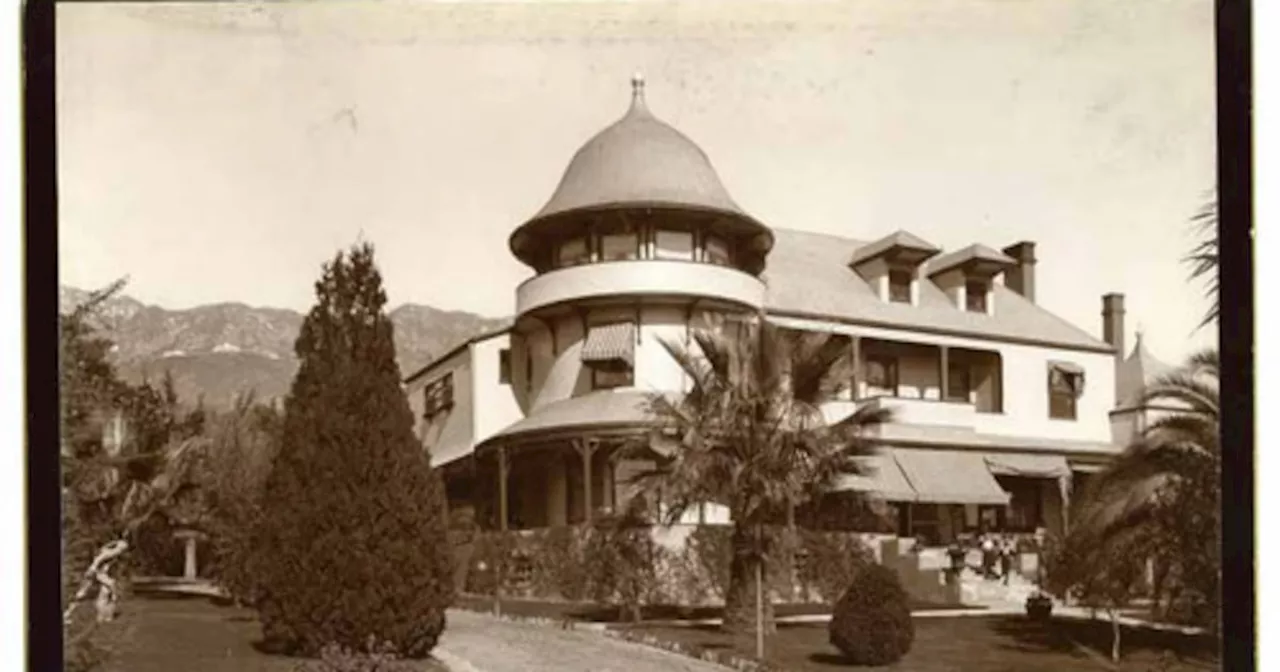 – Frank McNally on a wealthy namesake’s mansion, destroyed in the Los Angeles firesThe house was built in 1887 for the Armagh-born multimillionaire Andrew McNally
Read more »
 – Frank McNally on the apparent occupation of 15 Usher’s IslandThe short manifesto in the window has more than twice as many full stops – five – as Molly Bloom’s entire soliloquy
Read more »
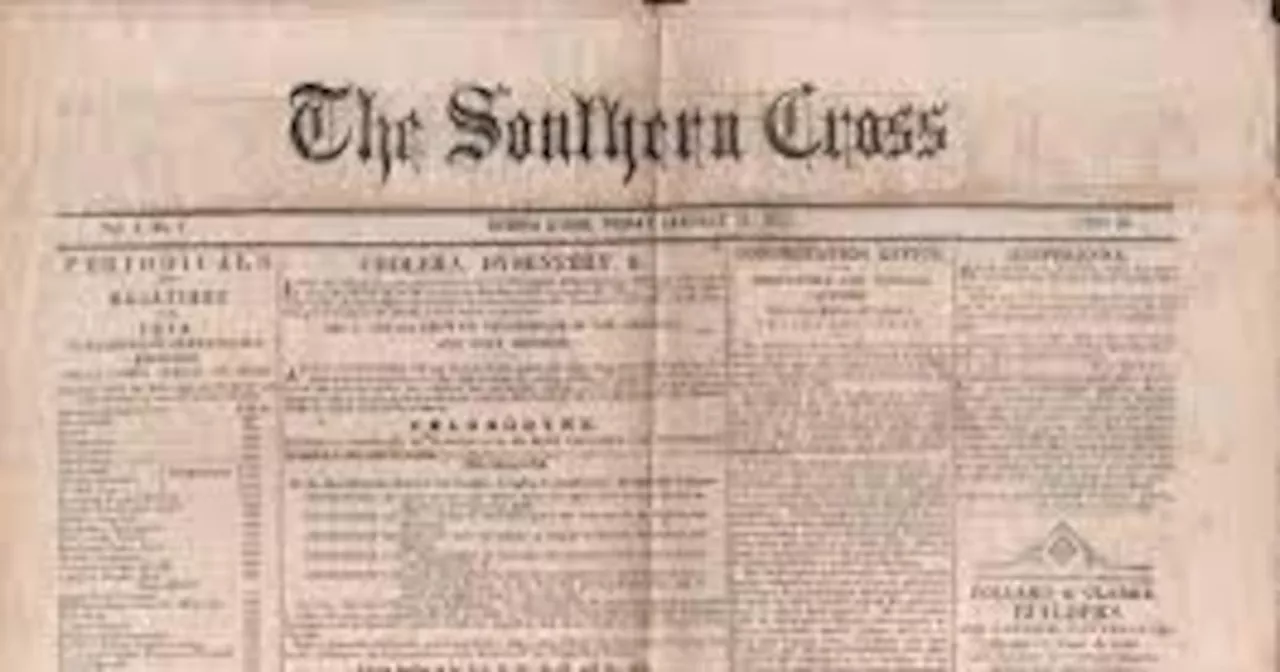 – Frank McNally on Argentina’s 150-year-old Irish newspaperThe world’s longest-running Irish newspaper produced outside Ireland, and among the oldest of any kind in Argentina
Read more »
 – Frank McNally on the importance of being salientPeace explains why the term “Monaghan Salient” has fallen out of use
Read more »
 – Frank McNally on the late-blooming Violet Needham, children’s novelist extraordinaireShe had spent a long apprenticeship as a storyteller to nieces and nephews
Read more »
 McNally's Strike Seals Bristol City Win Over DerbyIrish defender Luke McNally scored the only goal as Bristol City triumphed 1-0 over Derby County in the Championship. The victory saw Bristol City extend their impressive festive period, securing 10 points from 12. McNally's volley in the 19th minute propelled his team closer to the play-off spots.
Read more »