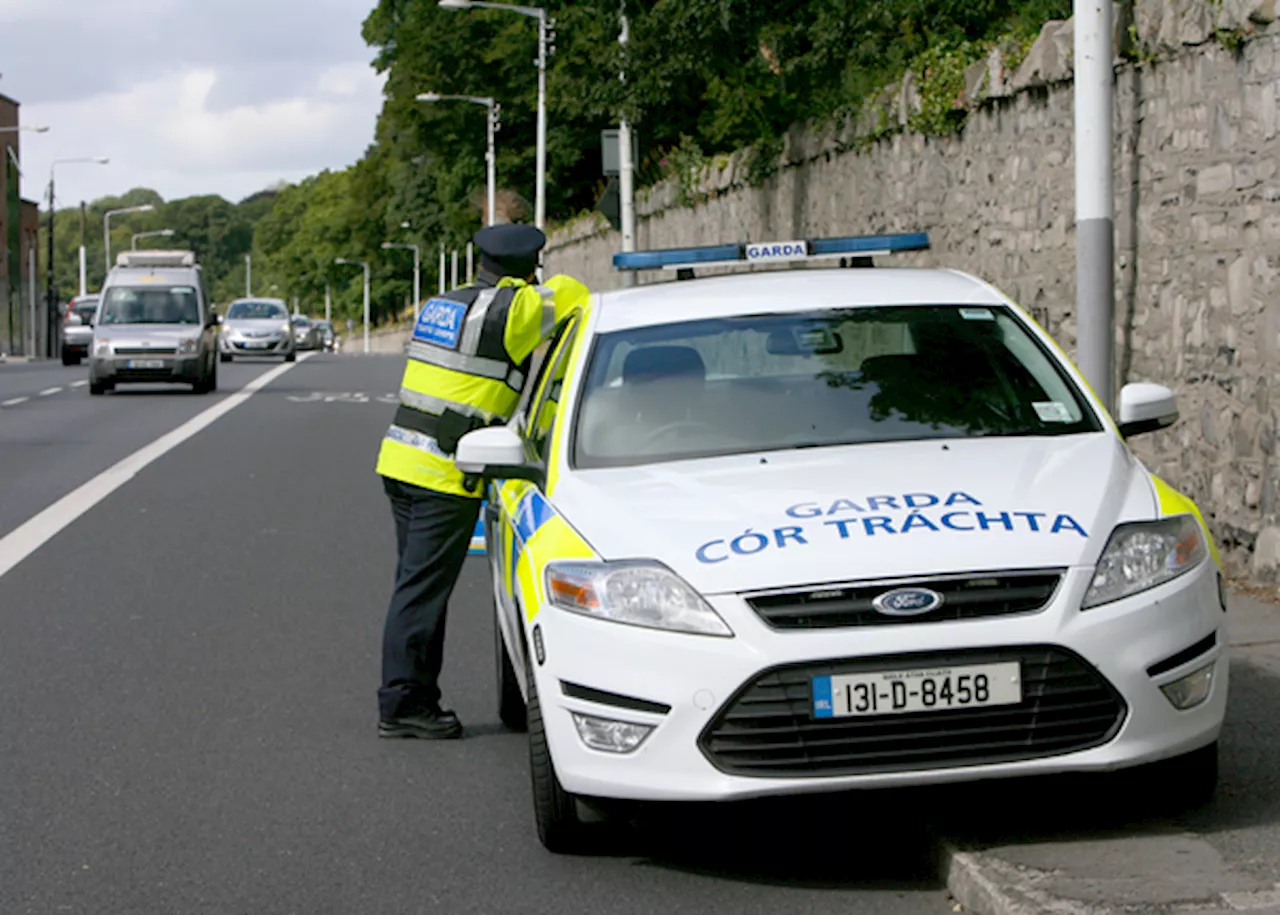
On February 7th, Ireland will reduce the default speed limit on most local roads from 80 km/h to 60 km/h. This change, while aimed at improving road safety, has sparked considerable confusion and anger online. Transport experts emphasize the distinction between this rural road reduction and upcoming changes to speed limits in built-up areas and on national roads.
On February 7th, the default speed limit on most of the country's local roads will drop from 80 km/h to 60 km/h.There is a lot of confusion online about the reduction in speed limits on local and rural roads from tomorrow, a transport expert has said.motoring editor Ger Herbert said there is a lot of confusion online about the speed limit reduction.
“These are roads that link communities - the roads that are designed for walkers and cyclists and for kids to be able to get to school.Gardai at the scene of a road crash at the Ballynacarry Bridge on the N53, Co Monaghan. December 1, 2022. Image: Liam McBurney/Alamy “They're simply replacing on the roads that are going to be changed - replacing 80 km/h speed limits with eight with 60 km/h speed limit signs.
In regards to people claiming the only way to have less road deaths is to ban cars, Ms Herbert said there is an in-between.
Speed Limits Road Safety Ireland Transportation Policy Rural Roads
Ireland Latest News, Ireland Headlines
Similar News:You can also read news stories similar to this one that we have collected from other news sources.
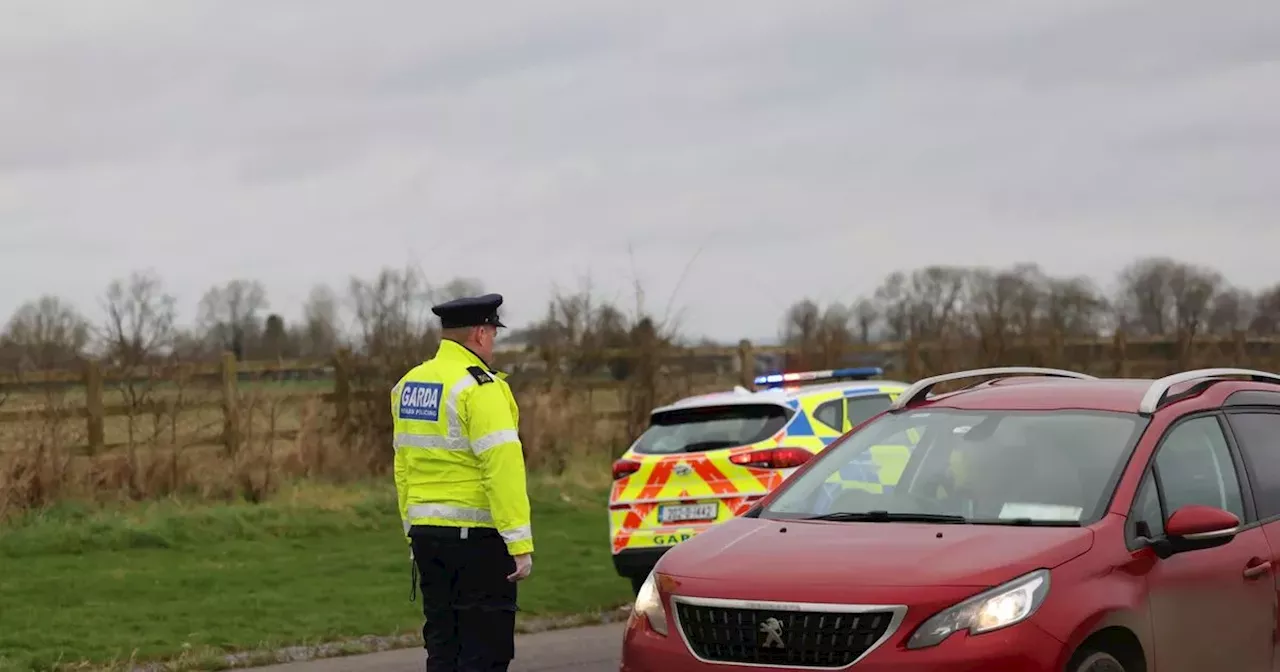 Ireland to Slash Speed Limits Across the Country in Bid to Save LivesNew speed limits are coming into force in Ireland from February 7th, 2024, aiming to significantly reduce road fatalities. The changes include a reduction in the default speed limit on rural local roads from 80km/h to 60km/h, with further reductions planned for urban areas and national secondary roads. Strict enforcement measures will be in place, including the use of speed detection equipment, camera vans, and average speed monitoring systems. Drivers caught exceeding the new limits face fines, penalty points, and potential disqualification. The move follows a recent rise in road fatalities and is part of the Government's Road Safety Strategy 2021-2030, which aims to achieve Vision Zero - zero road deaths or serious injuries by 2050.
Read more »
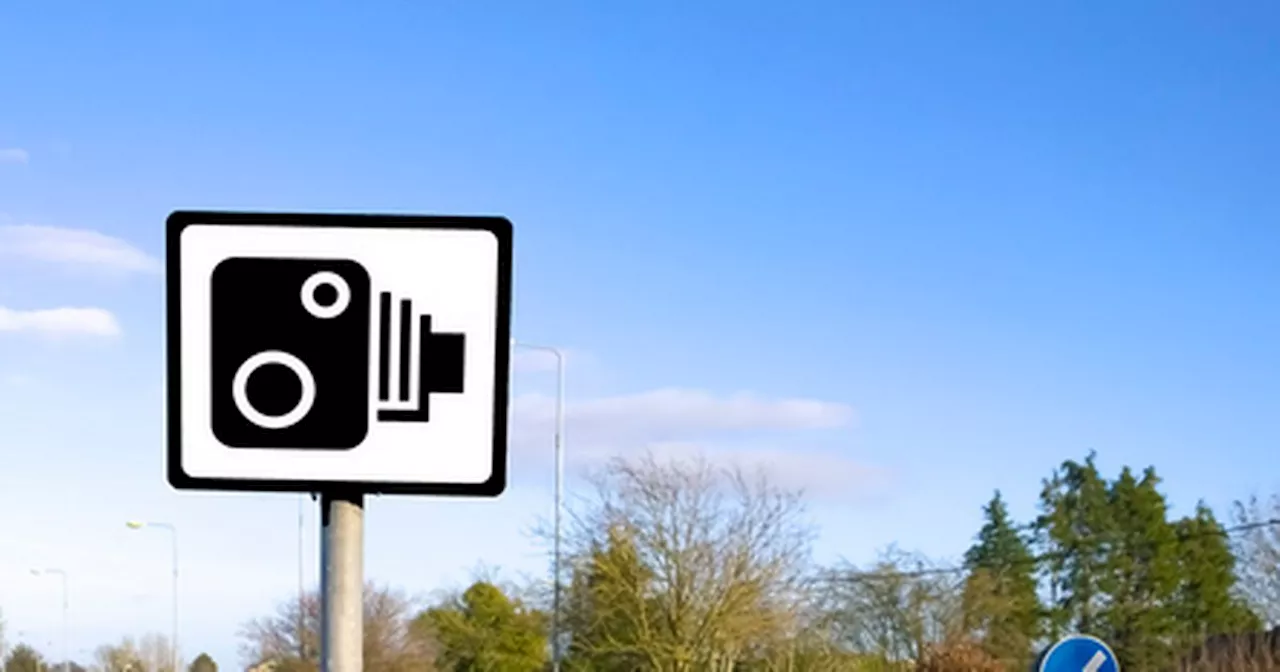 Irish Road Speed Limits to be Slash by 20 km/h in Effort to Reduce AccidentsIreland is implementing significant reductions in speed limits on its roads, aiming to decrease the number of accidents and fatalities. Rural roads will see a 25% drop, urban speed limits will decrease to 30km/h, and national secondary roads will have a reduced limit of 80km/h.
Read more »
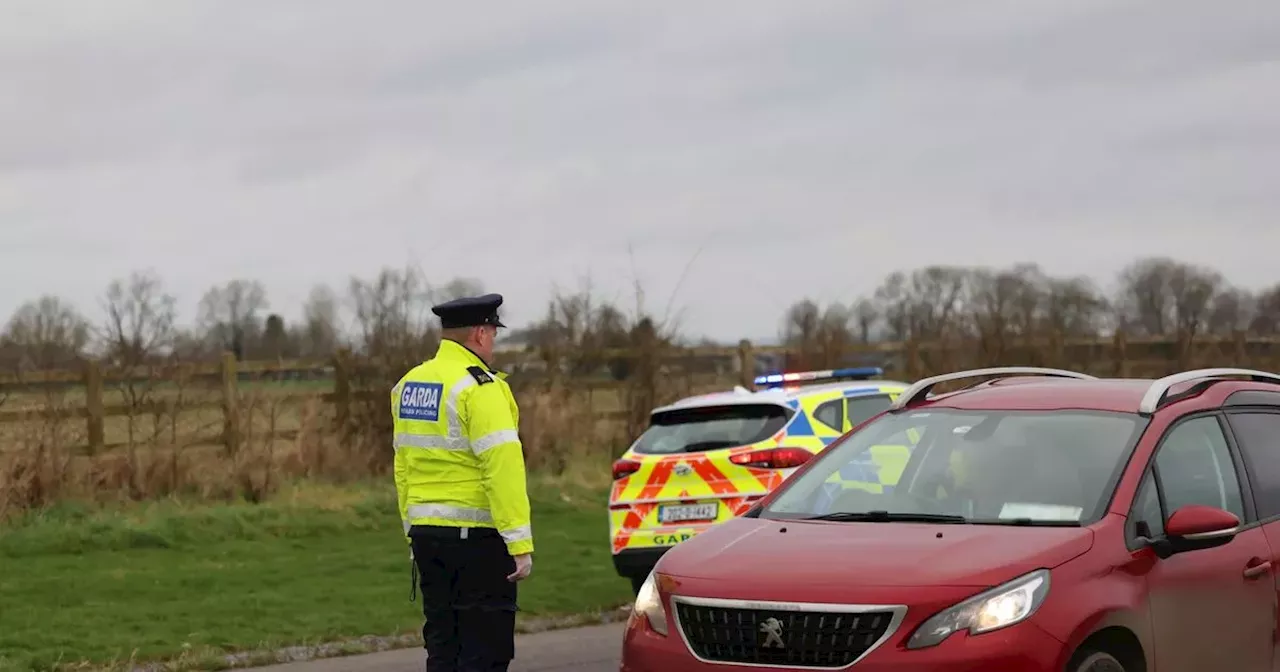 Ireland Introduces New Speed Limits to Improve Road SafetyNew speed limits will come into force in Ireland on February 7th, 2024, aimed at reducing road fatalities and enhancing safety for all road users. Rural local roads will see a 20km/h reduction, dropping from 80km/h to 60km/h. Later in the year, urban areas will have a 20km/h reduction, and national secondary roads will see a 20km/h reduction.
Read more »
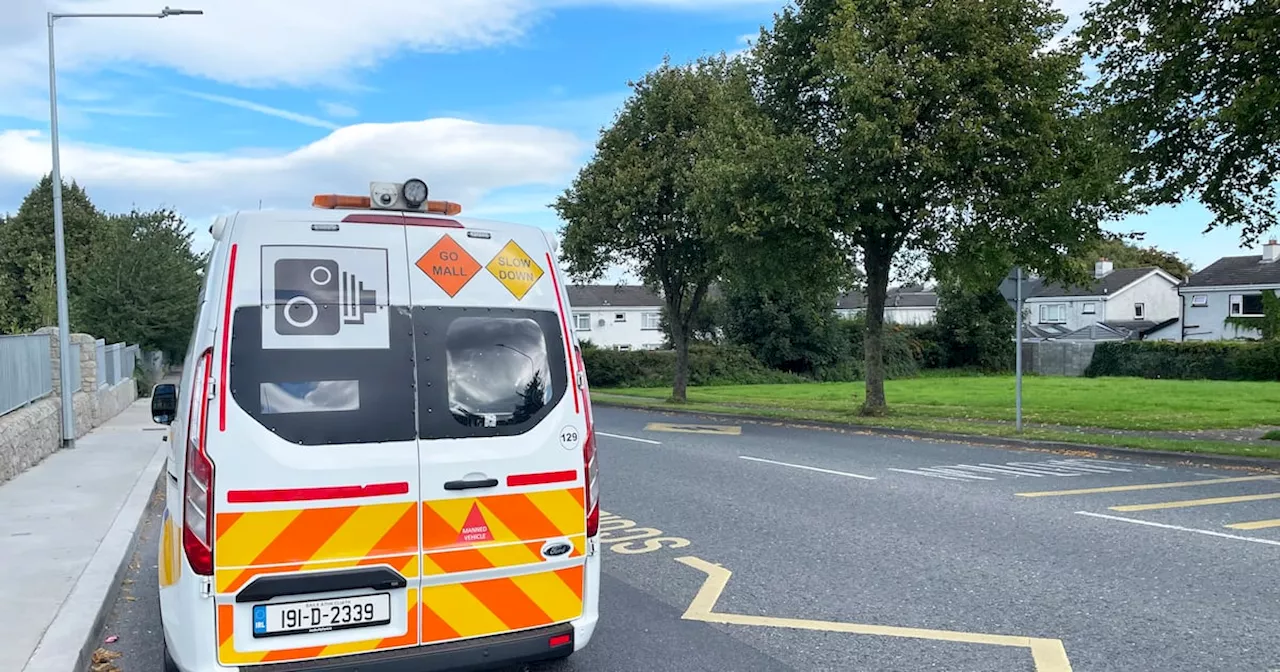 Ireland Implements New Speed Limits to Combat Road FatalitiesIreland introduces sweeping changes to speed limits across various road types, aiming to significantly reduce road deaths and serious injuries. The new limits, effective from Friday, will see reductions on local roads, national secondary roads, and urban areas. Authorities are emphasizing the importance of driver adaptation and enforcement measures to ensure compliance.
Read more »
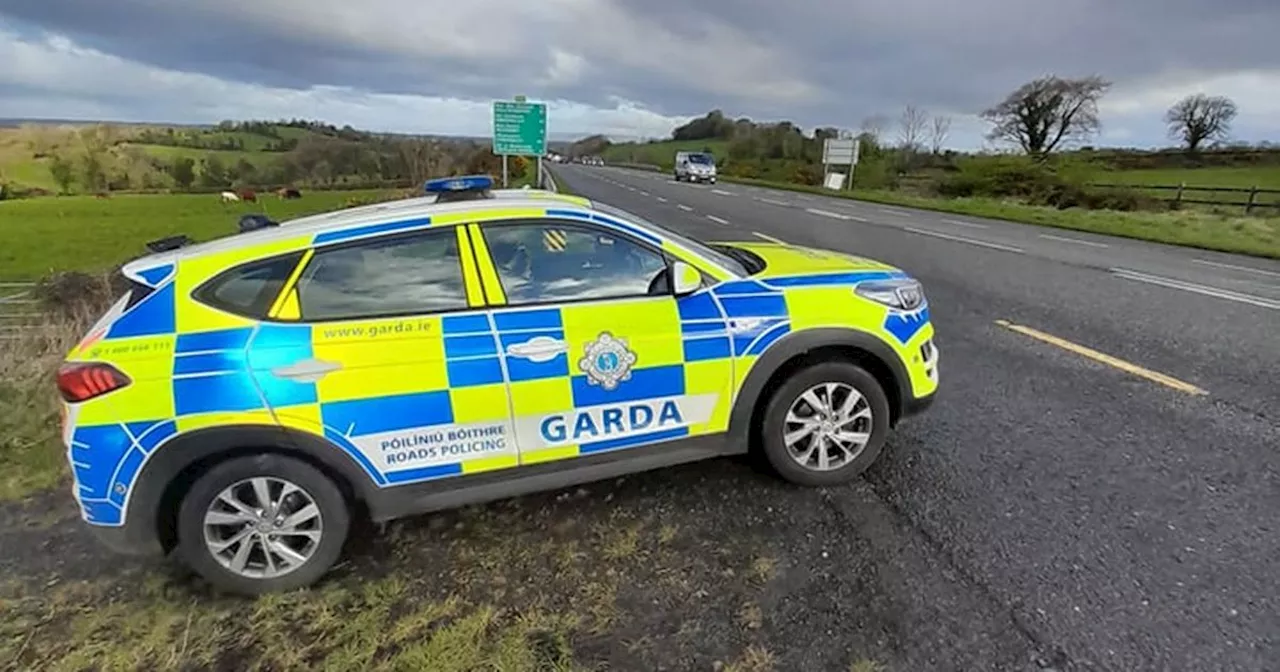 Ireland Lowers Speed Limits Aimed at Saving LivesNew speed limits are in effect in Ireland, with the default speed on rural local roads dropping from 80km/h to 60km/h. The changes, part of a nationwide effort to improve road safety, come in response to rising road fatalities and are accompanied by stricter enforcement measures.
Read more »
 Irish Road Speed Limits Slashed by 20 km/h in Bid to Reduce AccidentsIreland is set to implement a significant reduction in speed limits across a wide range of its roads, aiming to curb the number of accidents and fatalities. The changes, effective from February 7th, will see rural local roads reduced to 60 km/h from 80 km/h, and urban core speed limits lowered to 30 km/h. The move follows a recent spike in road deaths, prompting a renewed focus on safety measures. New speed limit signs will be installed, and additional measures like red light cameras and speed camera enforcement are being considered.
Read more »