
Handsome, charming, and well-dressed, Delaney was a popular figure in the West End of London
He is thought to have born somewhere in 1890s Ireland, emigrated to South Africa with his parents as a child, and later settled in England after fighting in the first World War.
By the time he was jailed again, in 1927, a judge at the Derby Assizes was upgrading him to be “the original cat burglar”. Which may not have been strictly true, since the Oxford Dictionary says the phrase was at least 20 years old then.He got another seven years on that occasion. Thereafter, his periods of freedom were fewer and further between, until he died in Parkhurst prison in 1948.He too married a wealthy English widow, or at least one who inherited £23,000 from her husband.
He may well have modelled himself on Arthur J Raffles, the fictional gentleman thief invented a generation earlier by Arthur Conan Doyle . Among Lynch’s achievements, the Press said, “his patiently planned capture of the super cat burglar Robert Delaney . . . would do justice to Conan Doyle”. While making inquiries in a bar on London’s Half Moon Street one night in 1924, the then young detective saw a man pass in formal evening dress, including “pointed shoes”.One thing then led to another and soon afterwards, in the phrase beloved of detective novels, it was a “fair cop, guv’nor”.
Of the many who attempted to emulate him, however, not all were as successful, or even as fortunate in ending up behind bars.
Ireland Latest News, Ireland Headlines
Similar News:You can also read news stories similar to this one that we have collected from other news sources.
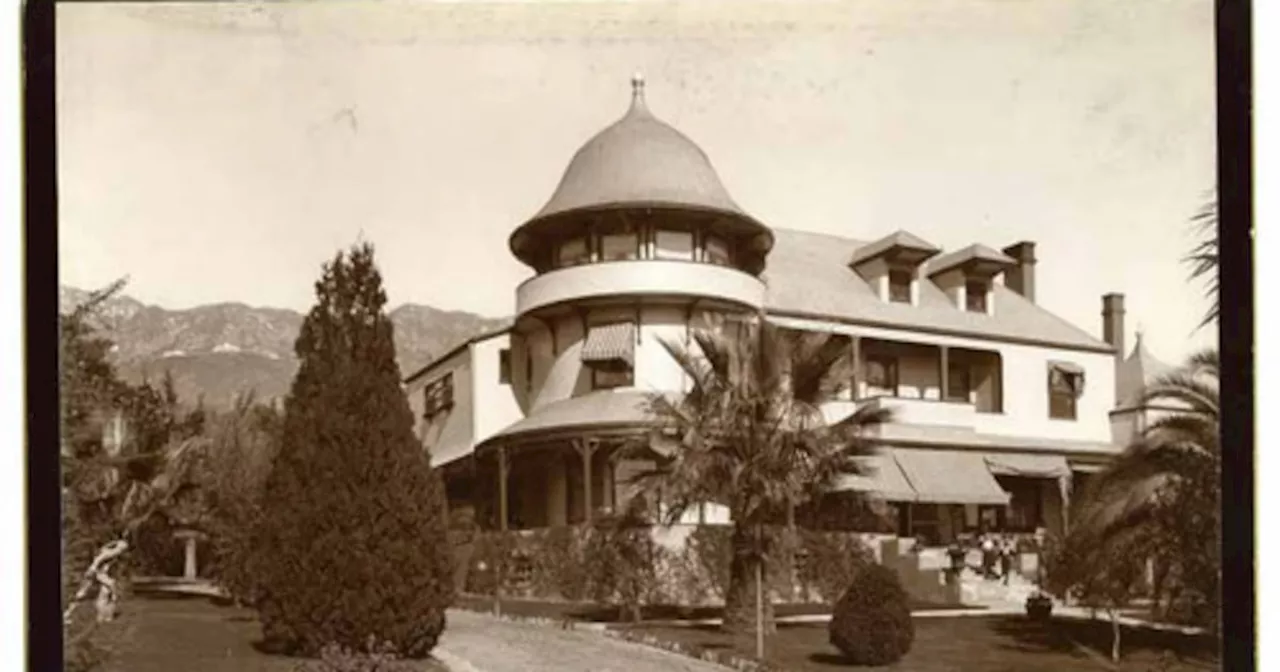 – Frank McNally on a wealthy namesake’s mansion, destroyed in the Los Angeles firesThe house was built in 1887 for the Armagh-born multimillionaire Andrew McNally
Read more »
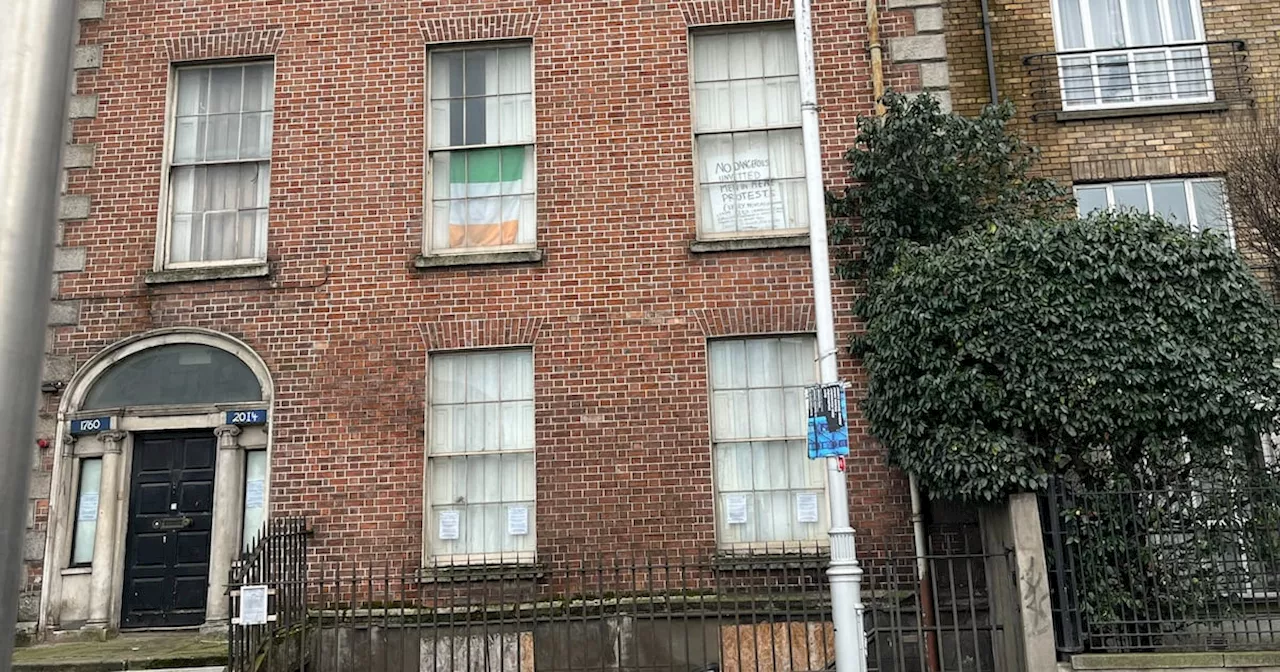 – Frank McNally on the apparent occupation of 15 Usher’s IslandThe short manifesto in the window has more than twice as many full stops – five – as Molly Bloom’s entire soliloquy
Read more »
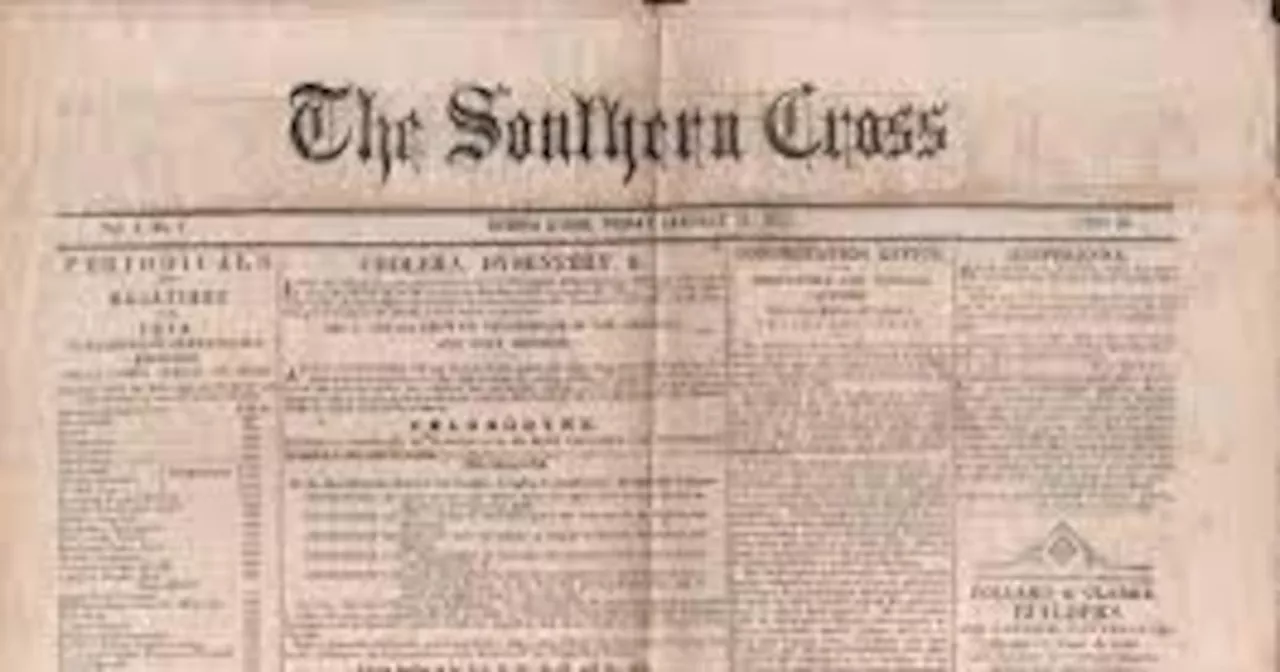 – Frank McNally on Argentina’s 150-year-old Irish newspaperThe world’s longest-running Irish newspaper produced outside Ireland, and among the oldest of any kind in Argentina
Read more »
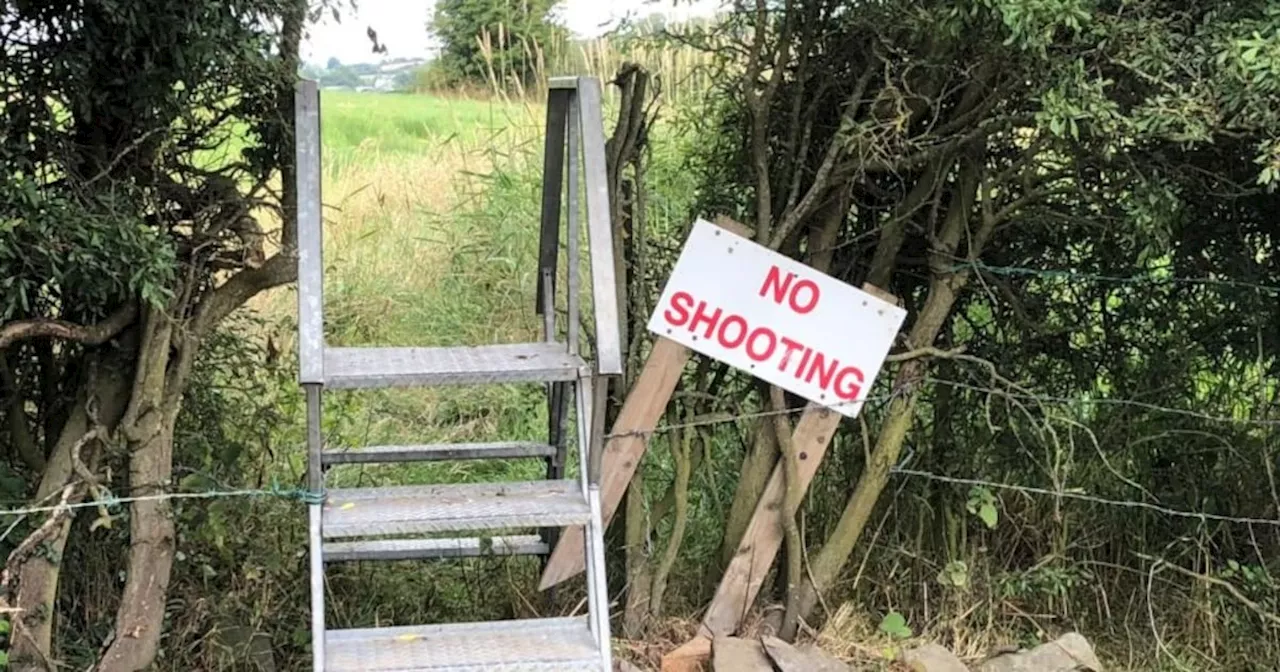 – Frank McNally on the importance of being salientPeace explains why the term “Monaghan Salient” has fallen out of use
Read more »
 – Frank McNally on the late-blooming Violet Needham, children’s novelist extraordinaireShe had spent a long apprenticeship as a storyteller to nieces and nephews
Read more »
 – Frank McNally on a cultural history of wind colourThe concept of a Dulux-style wind-colour catalogue was well established here and elsewhere
Read more »