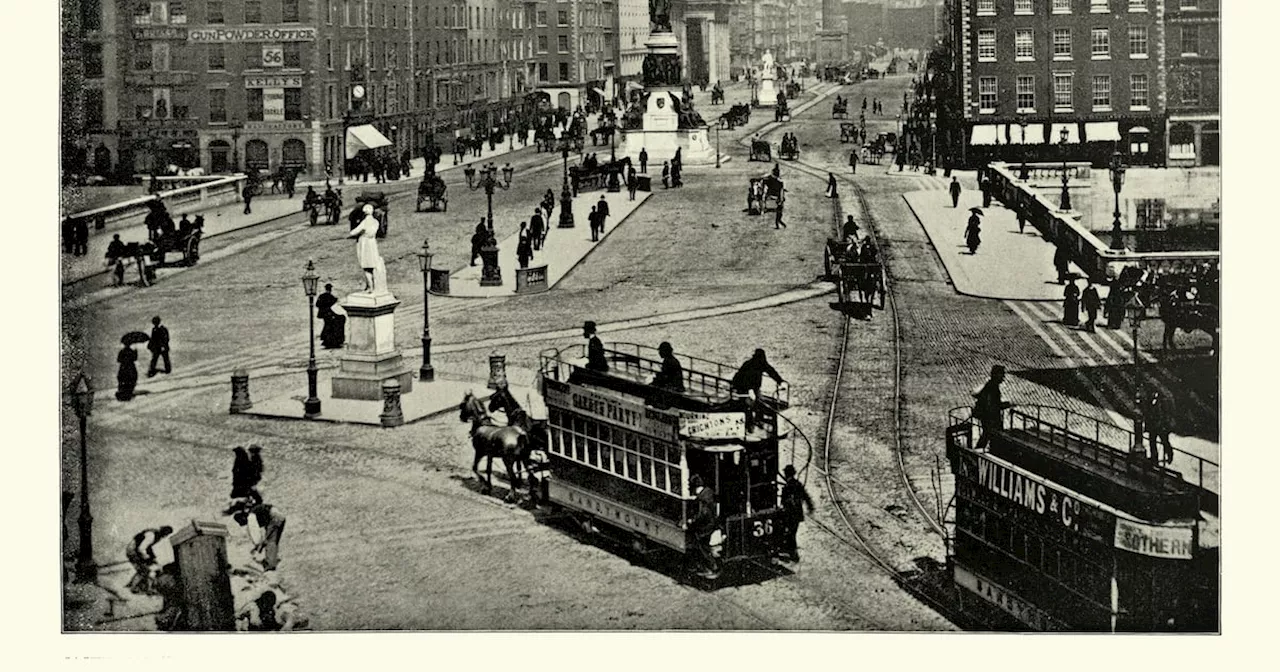
Author turns to new and often-overlooked source material for a fresh examination of the nation before independence
In February 1844, not long before The Famine, British Tory MP Benjamin Disraeli offered this brief overview of Ireland: “A dense population, in extreme distress, inhabit an island where there is an Established Church, which is not their Church, and a territorial aristocracy the richest of whom live in foreign capitals. Thus you have a starving population, an absentee aristocracy and an alien Church, and, in addition, the weakest executive in the world. That is the Irish question.
Novelist Emma Healey: ‘There’s an idea that painting all the roofs in the world white would reduce the global temperature’ There is also a focus on securing the state – the harbours, barracks, Insurrection Acts and the web of military outposts – with fascinating detail on Martello towers, each of which cost about £175,000 to build; the 26 of them, a consequence of the Napoleonic wars, were “never tested and were obsolete within the decade”.
Ireland’s leading penologist Walter Crofton and the mid-century prison chaplain Charles Gibson were preoccupied with “the habits of industry”. The absentee landlords are also followed, including to their European spa resorts, as O’Neill makes much of the “transnational circulation of the Irish elite”.
Emigration United-States Canada Australia
Ireland Latest News, Ireland Headlines
Similar News:You can also read news stories similar to this one that we have collected from other news sources.
 Northern Ireland Hospitals 'Worse' Than Republic, Says Nursing UnionOvercrowding in emergency departments is a growing concern in both Northern Ireland and the Republic of Ireland. The head of Northern Ireland’s largest nursing trade union says the situation is worse in Northern Ireland, citing longer trolley waits and a lack of available beds.
Read more »
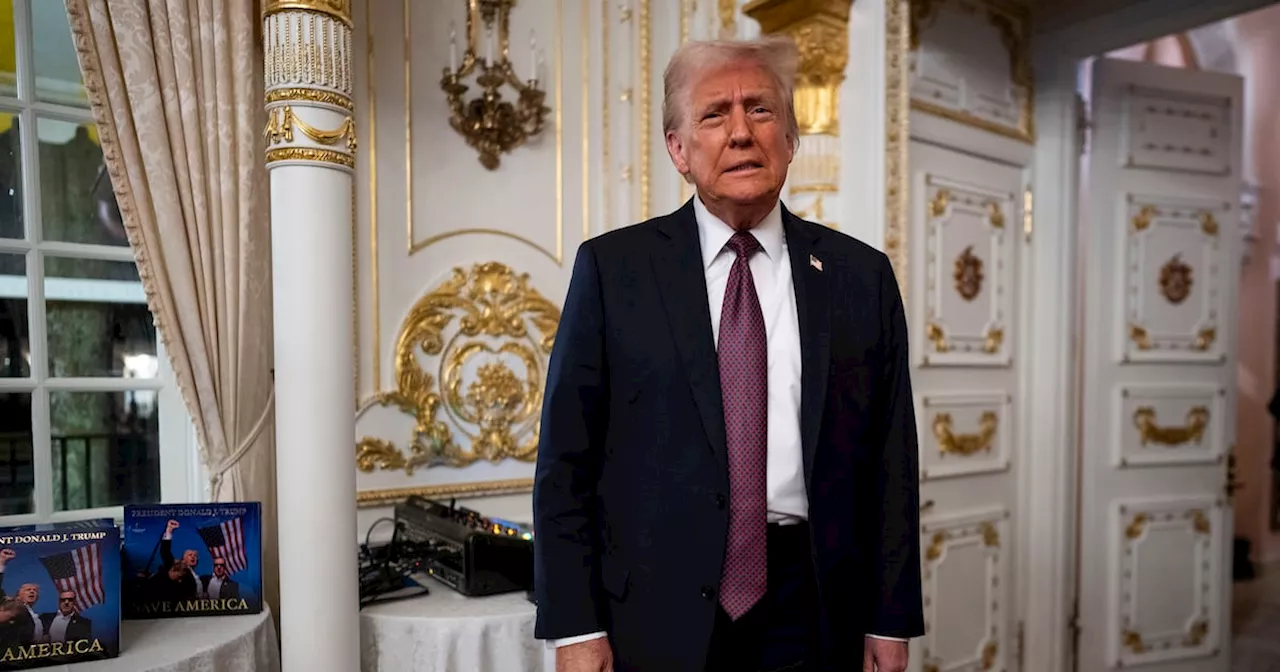 Latest Enterprise Ireland and trade figures underscore Ireland’s vulnerability to US protectionismIncoming US president Donald Trump says he will use tariffs, or at least the threat of tariffs, to improve the US trade balance
Read more »
 League of Ireland Players Can Earn €7,000 Bonuses Through PFA Ireland AwardsA growing number of League of Ireland clubs are offering substantial bonuses to players who receive recognition through the Professional Footballers Association of Ireland (PFA Ireland) awards. These bonuses, ranging from €1,000 to €7,000, are contingent upon players having the bonus clause in their contracts and being selected for the PFA Ireland Team of the Year or winning the Player of the Year award. This revelation has prompted the PFA Ireland to implement changes to its voting process to ensure greater accuracy and fairness.
Read more »
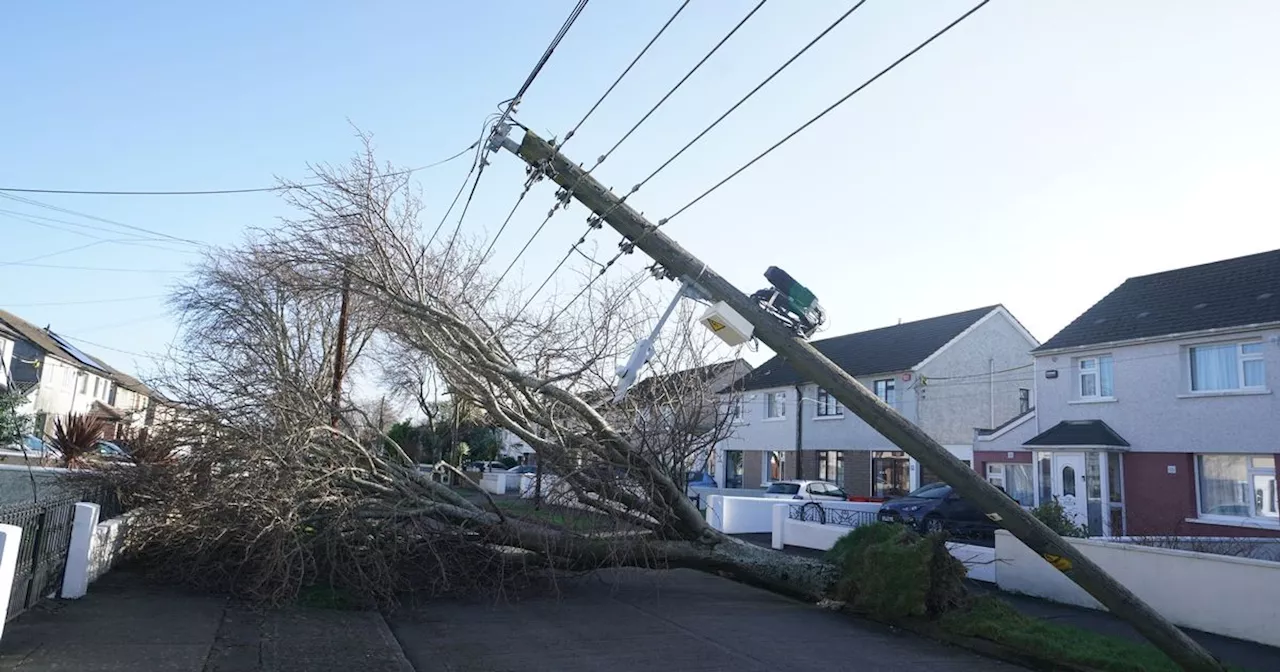 Storm Herminia Brings Multiple Weather Warnings to Ireland and Northern IrelandStorm Herminia is approaching Ireland and Northern Ireland, prompting multiple weather warnings. Met Éireann issued wind and rain warnings for various counties in the Republic of Ireland, while the UK Met Office issued a snow and ice warning for Northern Ireland. The warnings come after the devastation caused by Storm Eowyn and advise of potential strong winds, heavy rainfall, snow showers, and icy patches, leading to dangerous travel conditions.
Read more »
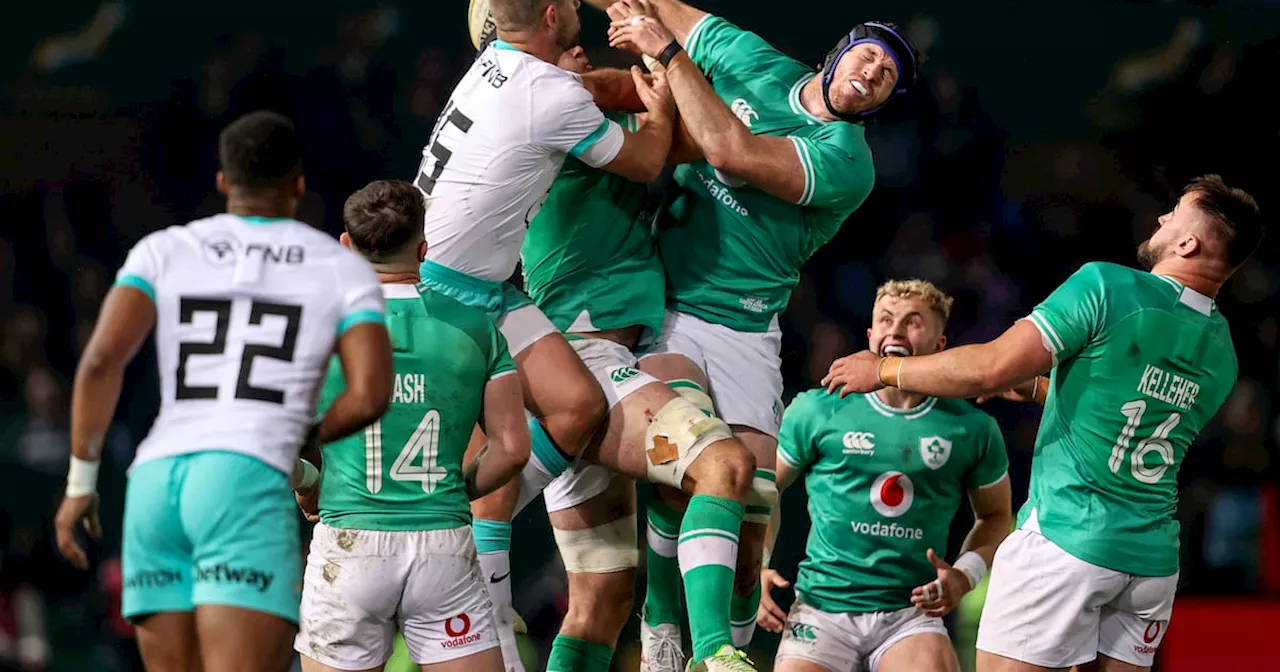 Ireland v England: Simon Easterby puts his stamp on side with Ryan Baird selectionThe former Ireland number six knows the threat Ireland face at the lineout from England
Read more »
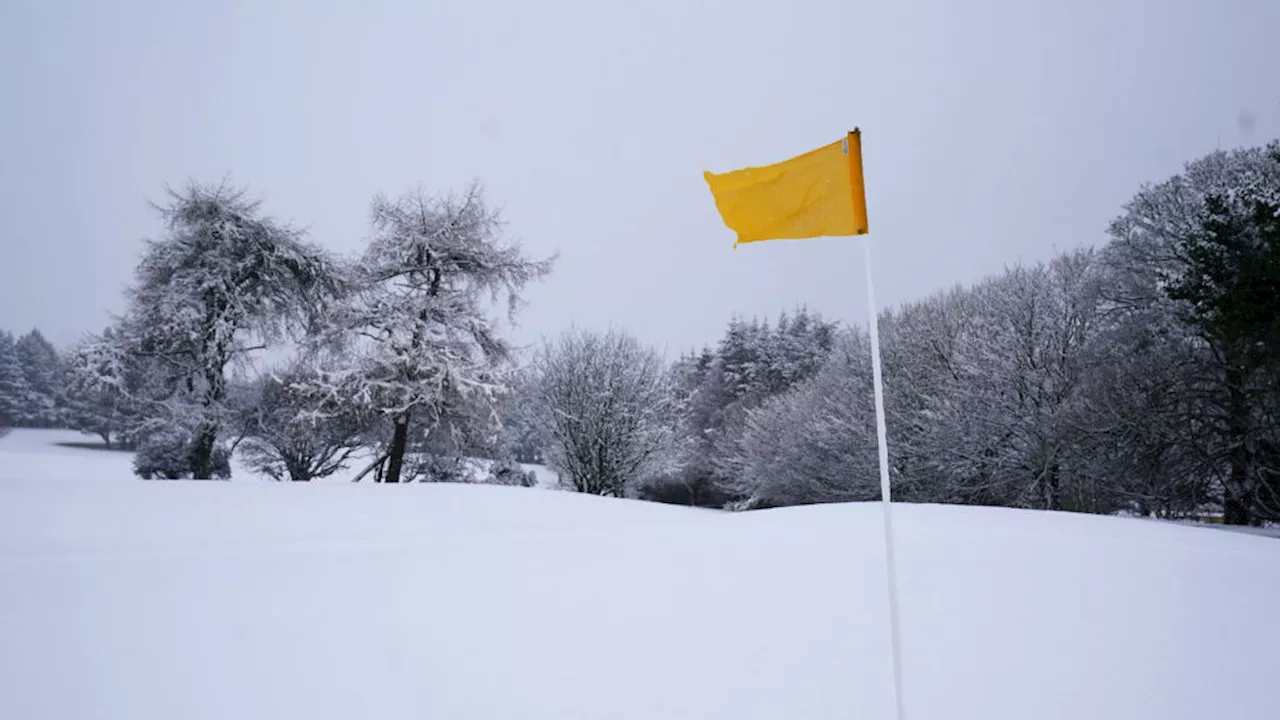 Thousands Without Power as Ireland Braces for Freezing TemperaturesIreland is facing a severe cold snap with widespread power outages and dangerous road conditions. Temperatures are expected to plummet to as low as -13 degrees Celsius, prompting councils and emergency services to prepare for the worst.
Read more »