
The UK’s messy, ill-thought out exit from the EU has effectively killed off leave campaigns in other member states
Marine Le Pen once referred to herself as 'Madame Frexit': now she never mentions it. Photograph: Bastien Ohier/Hans Lucas / AFP via Getty Images
She described Brexit as “the most important moment since the fall of the Berlin Wall” and launched her presidential campaign later that year, promising a similar in-out vote on French membership if elected. In one interview, she referred to herself as “Madame Frexit”.Euroscepticism had mushroomed in the wake of the EU’s botched handling of the financial crisis and amid a surge in migration. Brexit had triggered what some called a “secessionist contagion”.
Then came four years of wrangling, political turmoil, a succession of prime ministers, trade barriers, port congestion, passport controls and an economic outlook in the UK that is currently worse than war-torn Russia’s. Even arch-Brexiteer Nigel Farage admits the project has “failed”. According to the European Social Survey, conducted in 30 European nations every two years, support for leaving the EU has fallen significantly since Brexit, in some cases dramatically, with respondents less likely to vote leave in every EU member state for which data was available.decline in leave support was in Finland, where support fell from 28.6 per cent to 15.4 per cent between 2016/17 and the 2020/22 period.
“We can do better,” he said, highlighting “unnecessary barriers to trade” and inadequate co-operation on the migrant issue. If the diplomatic tone contrasts with the one taken by the former Tory administration, the same nagging issues remain.
Marine-Le-Pen Keir-Starmer Nigel-Farage Geert-Wilders Matteo-Salvini Giorgia-Meloni Viktor-Orban European-Union
Ireland Latest News, Ireland Headlines
Similar News:You can also read news stories similar to this one that we have collected from other news sources.
 Trump’s trade wars can push the UK closer to EuropeFive years on from Brexit Ireland is doing more trade with Britain than ever
Read more »
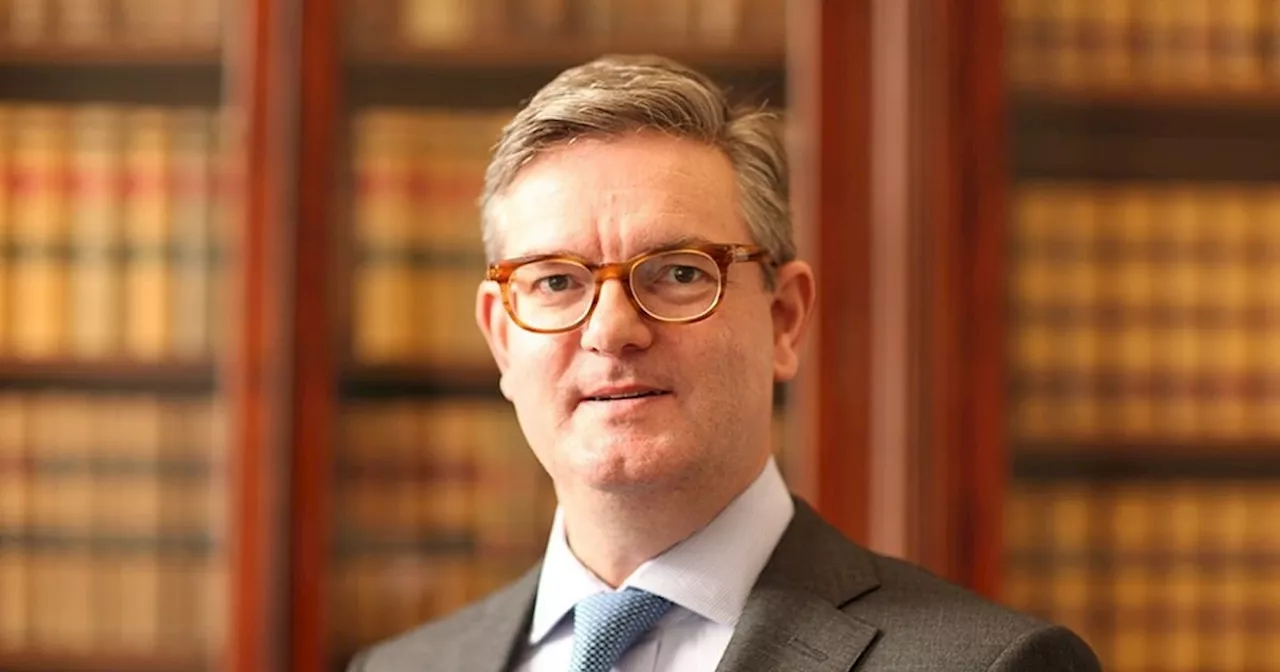 UK Seeks Reset of Relations with EU After BrexitJulian King, the UK's last EU commissioner, says talks between Britain and the bloc are progressing positively. Both sides aim to strike side deals on defense, migration, and trade, while the EU seeks continued fishing rights and a youth mobility scheme.
Read more »
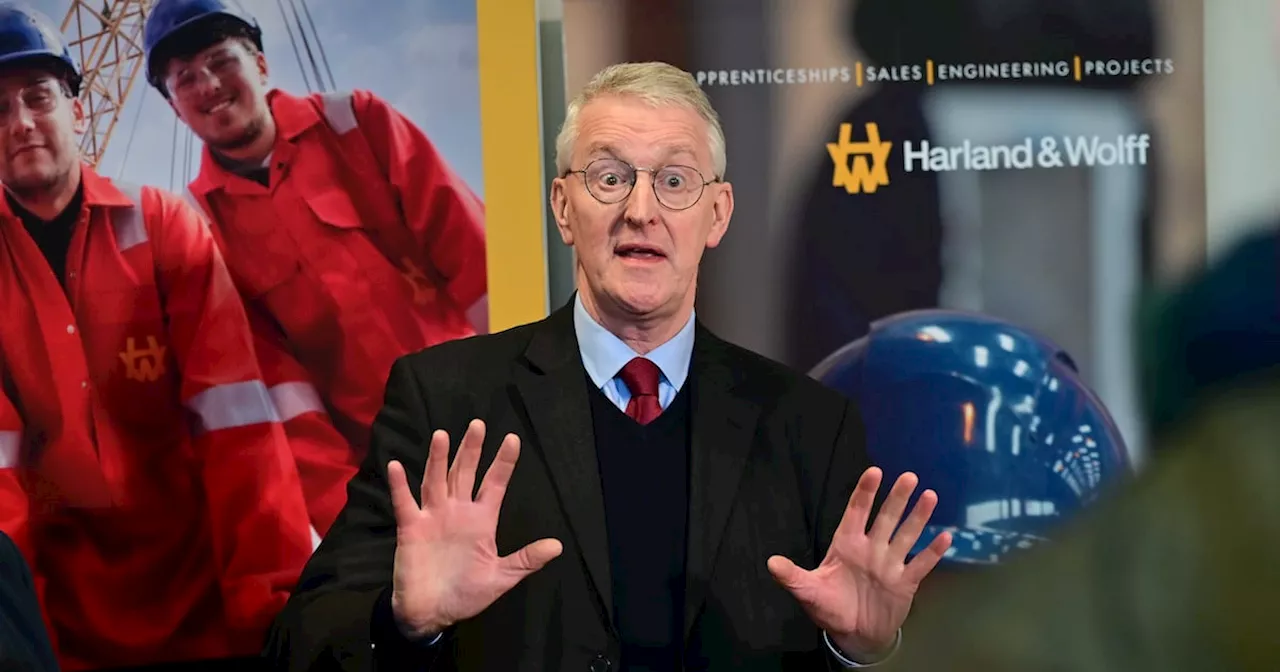 Northern Ireland Tensions Rise as Unionists Accuse UK Government of Prioritizing EU RelationsThe recent decision by the UK Secretary of State to not trigger the Stormont Brake over EU chemical labeling regulations has sparked outrage among Unionists in Northern Ireland, who accuse the government of prioritizing its relationship with the EU over the region's interests. This incident highlights the ongoing fragility of post-Brexit relations in Northern Ireland and the need for continued dialogue and compromise.
Read more »
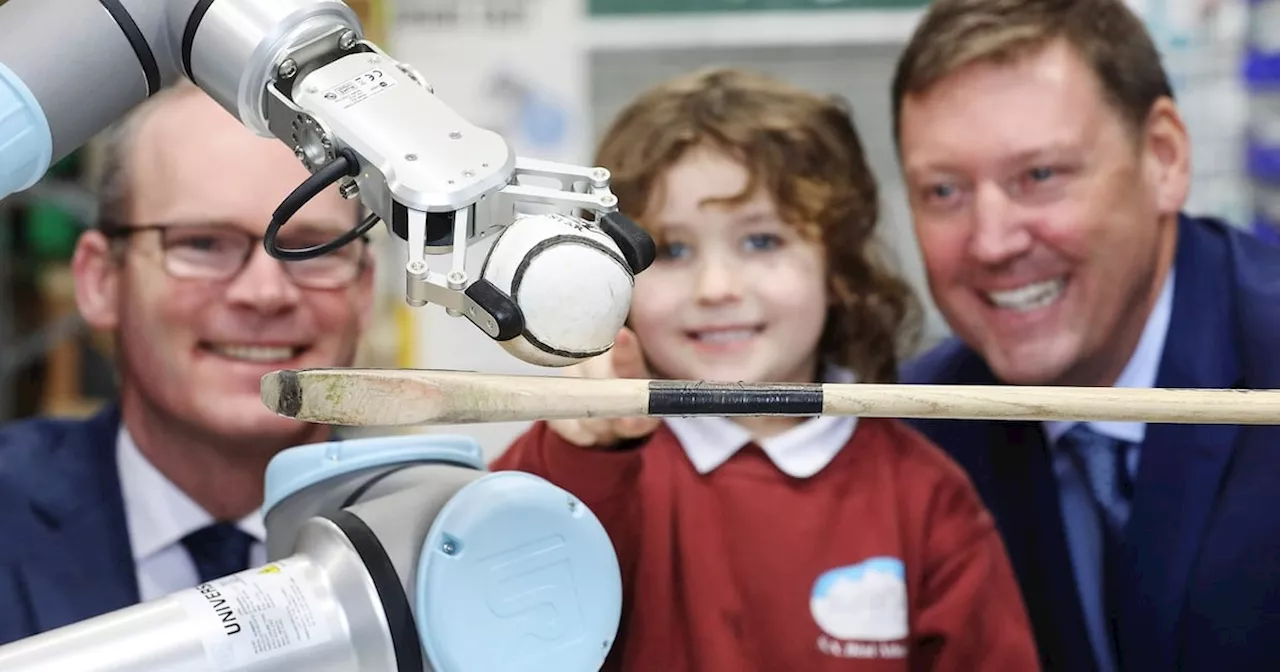 Former Irish Deputy Prime Minister Joins Family-Run Engineering Firm RelianceSimon Coveney, the former tánaiste (Deputy Prime Minister) of Ireland, has been appointed as a non-executive director of Reliance, a Cork-headquartered industrial engineering and robotics component distributor. Coveney, who held senior Cabinet positions including Minister for Foreign Affairs during the Brexit negotiations, said he was honored to join the board of the 100-year-old family business.
Read more »
 Pat Kenny: Still Learning After 77 Years in BroadcastingVeteran broadcaster Pat Kenny, 77, says he has no plans to retire from his daily show on Newstalk. Kenny, who left RTÉ eleven years ago, enjoys the ever-changing nature of current affairs and politics. He cites major events like the Trump elections, Brexit, Covid, and the Irish election as examples of the constant learning opportunities his job provides.
Read more »
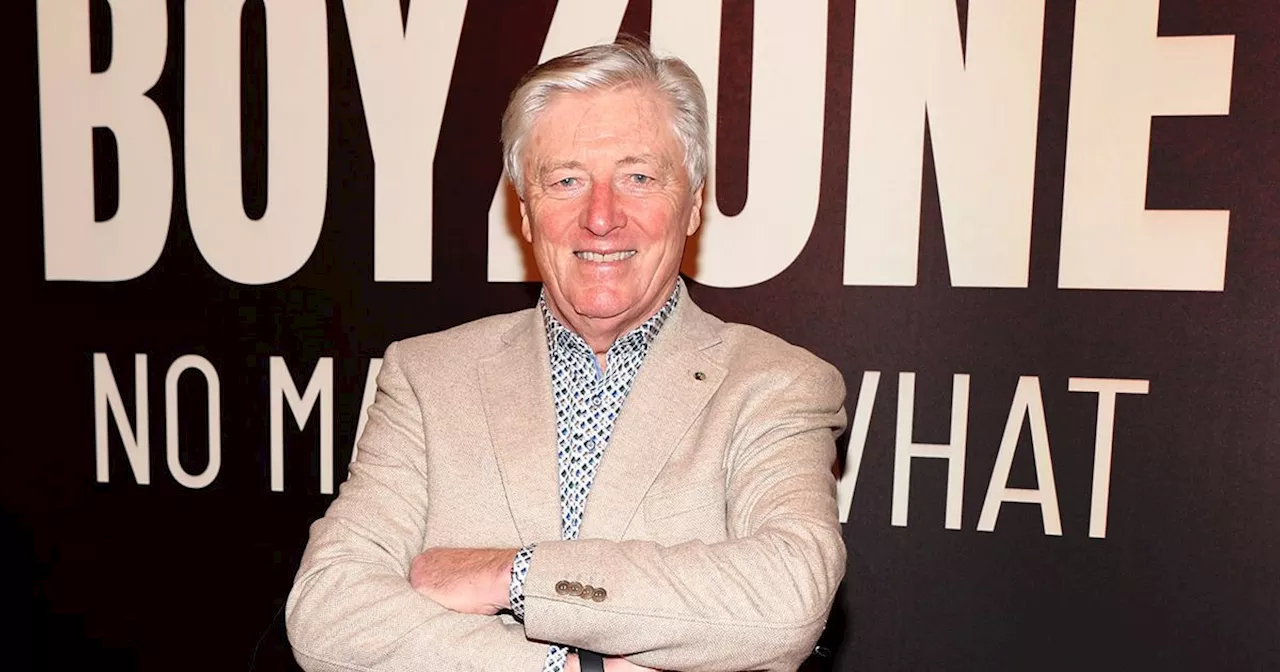 Pat Kenny: Every Day is a School Day for Radio HostVeteran broadcaster Pat Kenny, who recently celebrated his 77th birthday, says he has no plans to retire from his daily radio show on Newstalk. Kenny, who moved to the station eleven years ago after leaving RTÉ, enjoys the fast-paced nature of his job and the constant learning opportunities it presents. He cites major global events like the Trump elections, Brexit, and Covid-19 as examples of the ever-changing landscape of current affairs.
Read more »